Neptune Theatre
Details
- Date
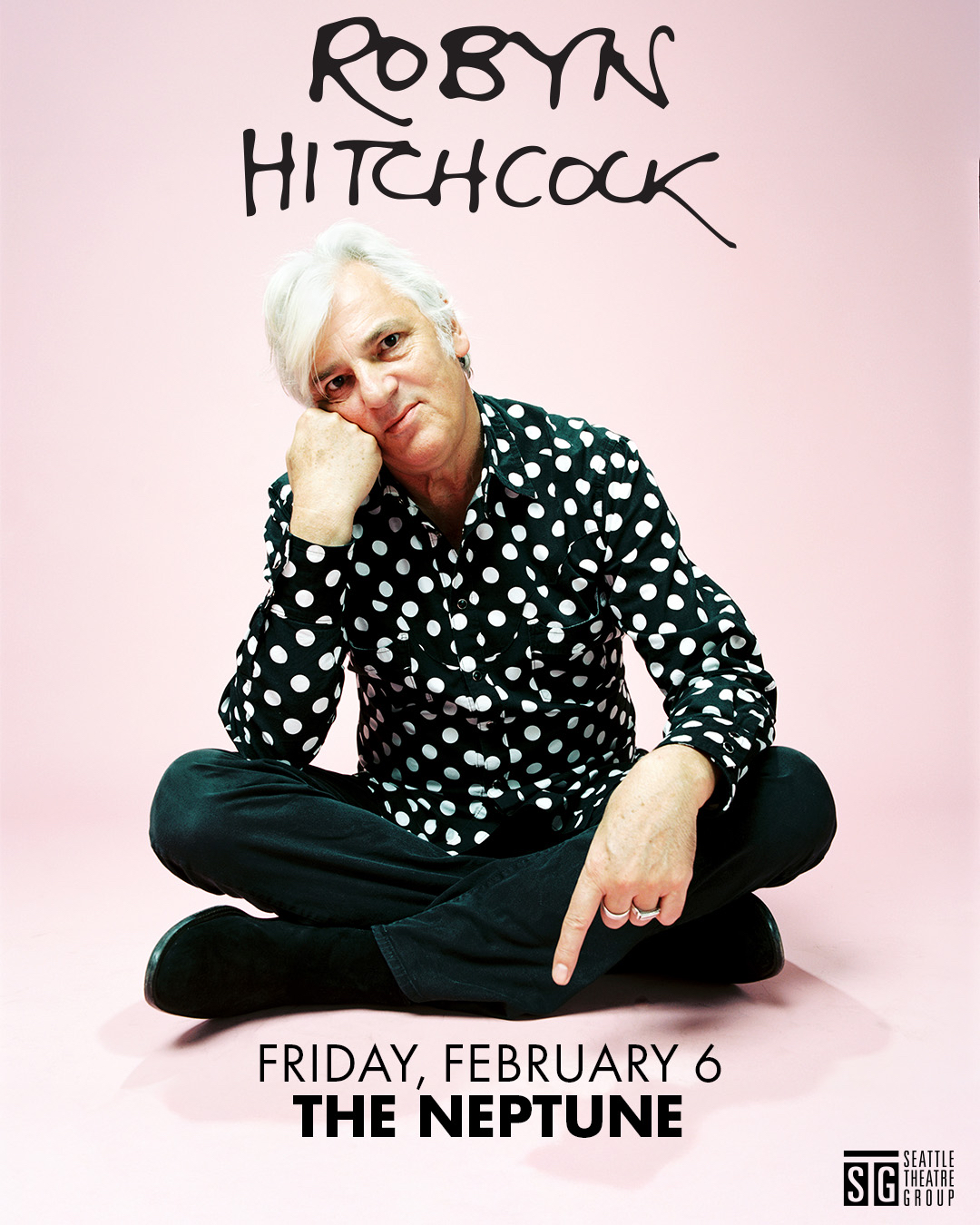
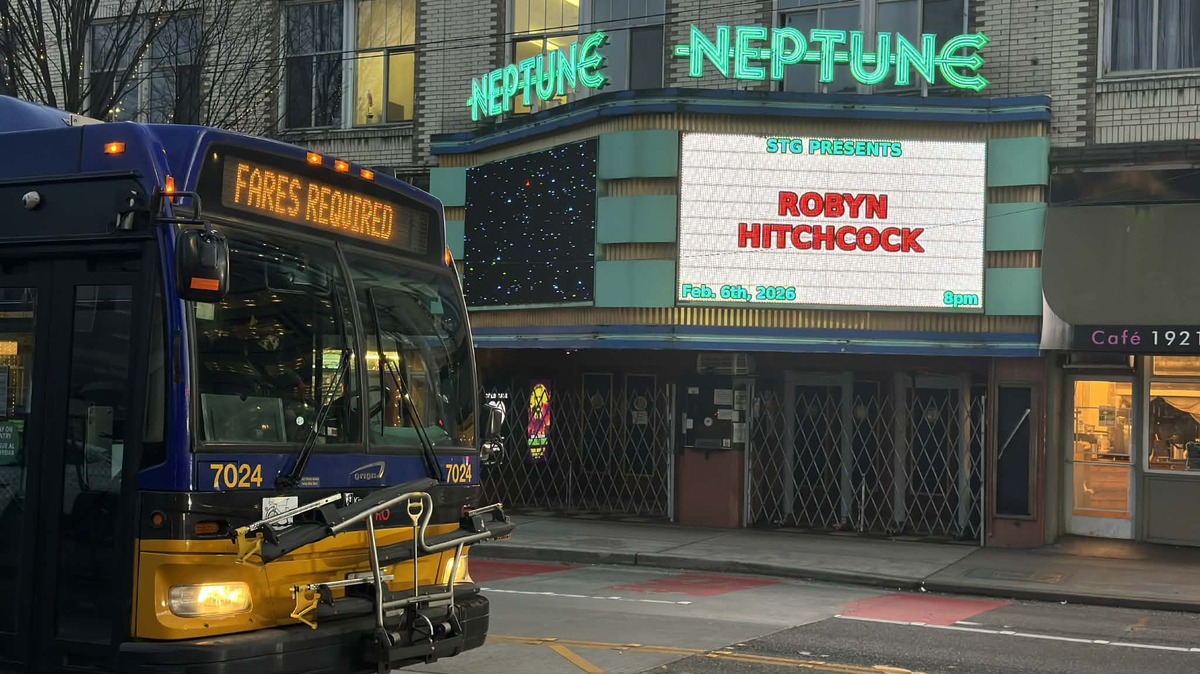
- February 06, 2026
- Venue
- Neptune Theatre Seattle, Washington
- Billed As
- Robyn Hitchcock
- Gig Type
- Concert
- Guests
- Jeremy Fetzer, Kurt Bloch, Todd Bolden, Patrick Berkery, Emma Swift & Luther Russell
Notes
Opening act: Emma Swift
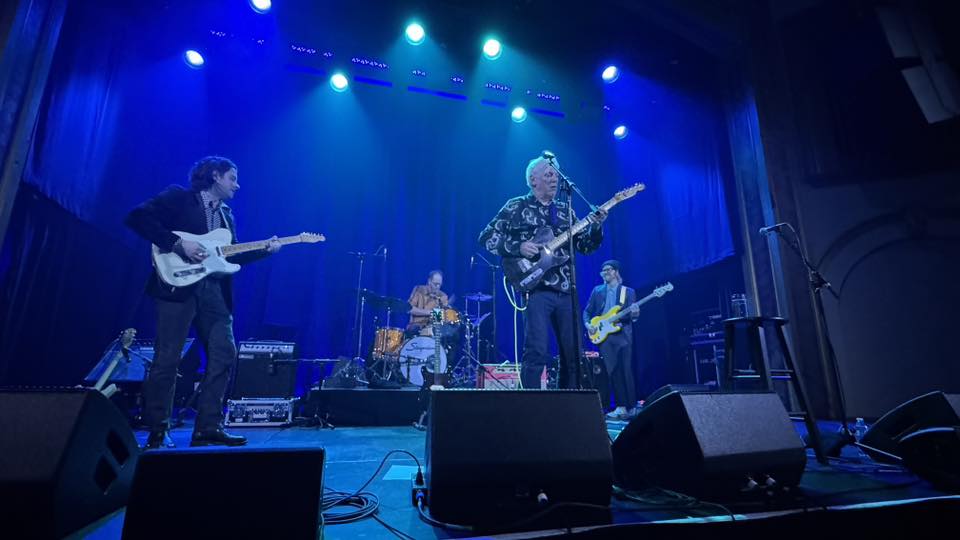
Full band show
Guitar: Jeremy Fetzer
Bass: Todd Bolden
Drums: Patrick Berkery
Guitar: Kurt Bloch (where noted)
Harmony vocals: Emma Swift (where noted)
Guitar: Luther Russell (where noted)
Setlist info and photos provided by David H and Orin D
Full band show
Guitar: Jeremy Fetzer
Bass: Todd Bolden
Drums: Patrick Berkery
Guitar: Kurt Bloch (where noted)
Harmony vocals: Emma Swift (where noted)
Guitar: Luther Russell (where noted)
Setlist info and photos provided by David H and Orin D
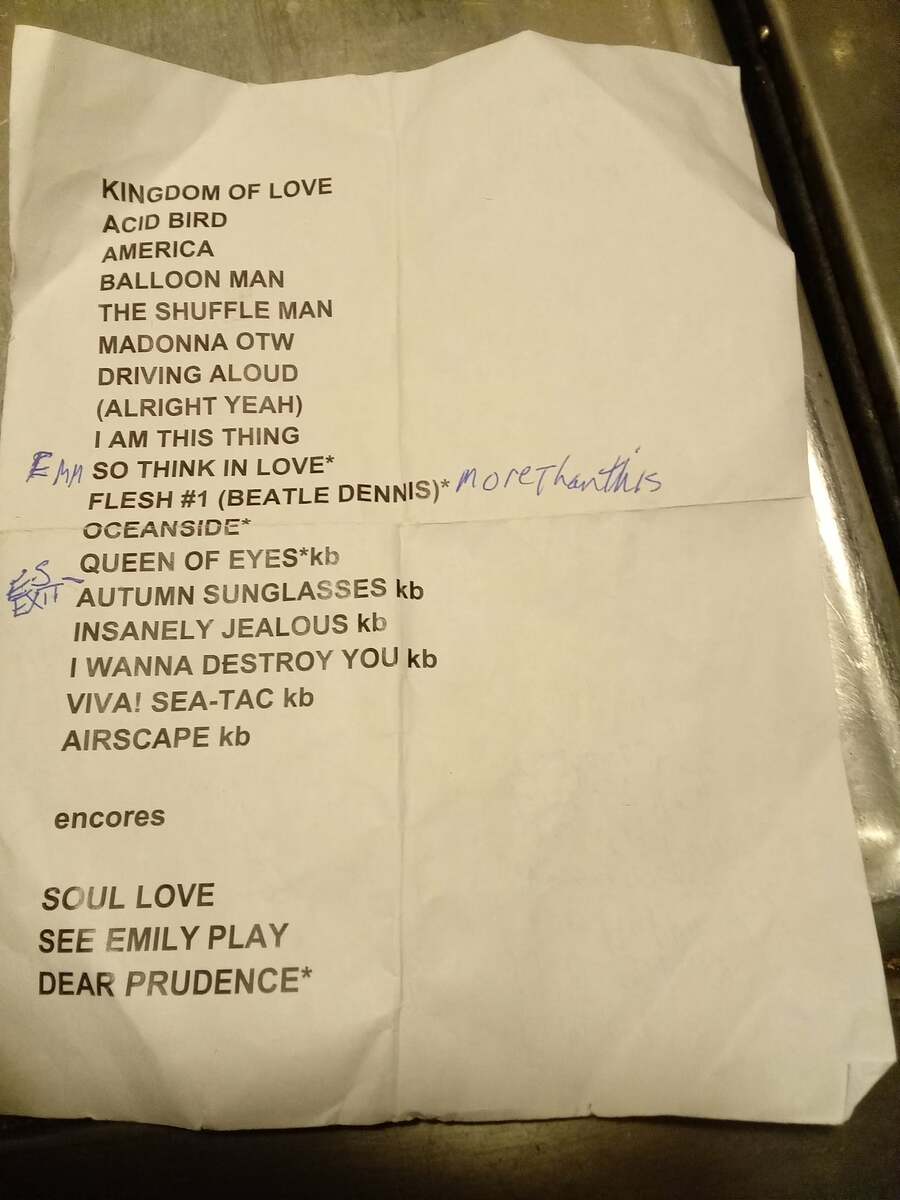
Set List
- I Often Dream of Trains Robyn solo
- Kingdom of Love
- America
- Balloon Man
- The Shuffle Man
- Madonna of the Wasps
- Driving Aloud (Radio Storm)
- Alright, Yeah
- I Am This Thing
- So You Think You're in Love with Emma
- Flesh Number One (Beatle Dennis) with some lines from 'More Than This' at the end - with Emma
- Oceanside with Emma
- Queen of Eyes with Emma & Kurt
- Autumn Sunglasses with Kurt
- Insanely Jealous with Kurt
- I Wanna Destroy You with Kurt
- Viva! Sea-Tac with Kurt
- Airscape with Kurt
Encore
- Soul Love David Bowie
- See Emily Play Pink Floyd
- Dear Prudence The Beatles with Emma and Luther
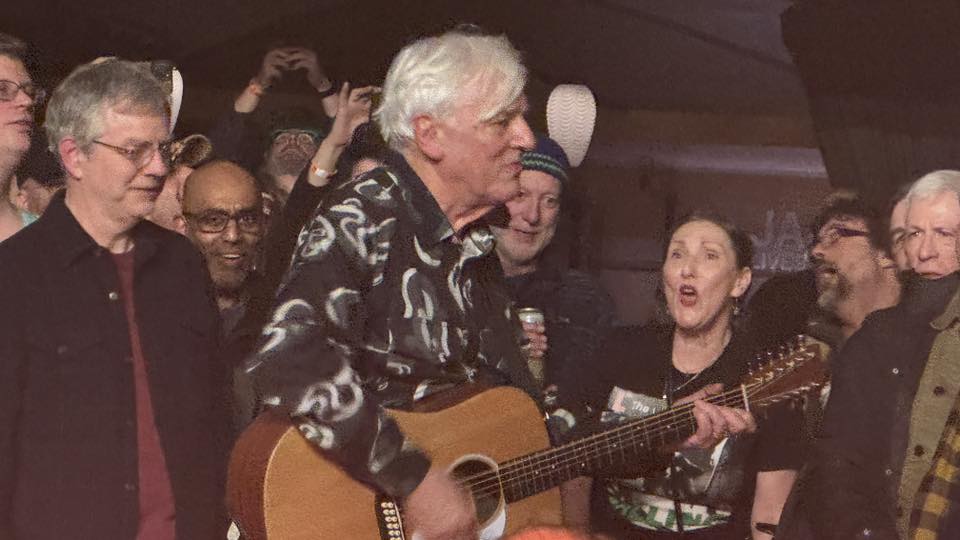
- A Day in the Life The Beatles performed acoustic, unamplified, walking through the crowd
Media
Audio recording on archive.org
Reviews
Online review by New Noise Magazine
Robyn Hitchcock Brings Surreal Refuge to Seattle, WA
On February 6, a packed crowd filled the Neptune in Seattle to see Robyn Hitchcock do what he has always done best: turn anxiety into color and confusion into song. The room felt comfortably adult. Many in attendance seemed to be people for whom the 1980s and 1990s were not distant history but formative terrain. That context mattered. In a moment defined by political noise and cultural exhaustion, Hitchcock’s surrealist pop offered something closer to refuge than nostalgia.
His songs have always bent reality rather than confronting it head-on. That instinct felt newly purposeful here. As the band eased into dream logic and psychedelic shimmer, the night became a brief exit ramp from the present. The audience did not seem interested in escape as a form of denial. Instead, they welcomed it as a form of recalibration.
A Long Career, Still Moving Forward
Hitchcock’s career spans decades, from his early work with the Soft Boys to an expansive solo catalog that has never settled into stasis. His songwriting has always favored strangeness over certainty. Even so, his music remains deeply melodic and emotionally legible.
This show marked his first live appearance with a new supporting band. That sense of beginning again was palpable. Rather than sounding tentative, the group played with alertness and ease. The band’s presence gave Hitchcock’s songs a renewed physicality without sanding down their odd edges.
Electric, Alive, and Fully Present
The set opened with “I Often Dream of Trains,” dedicated to a Seattle friend who had recently passed away. The gesture was understated yet set the emotional tone for the night. Memory, loss, and affection hovered beneath the surface without ever overwhelming it.
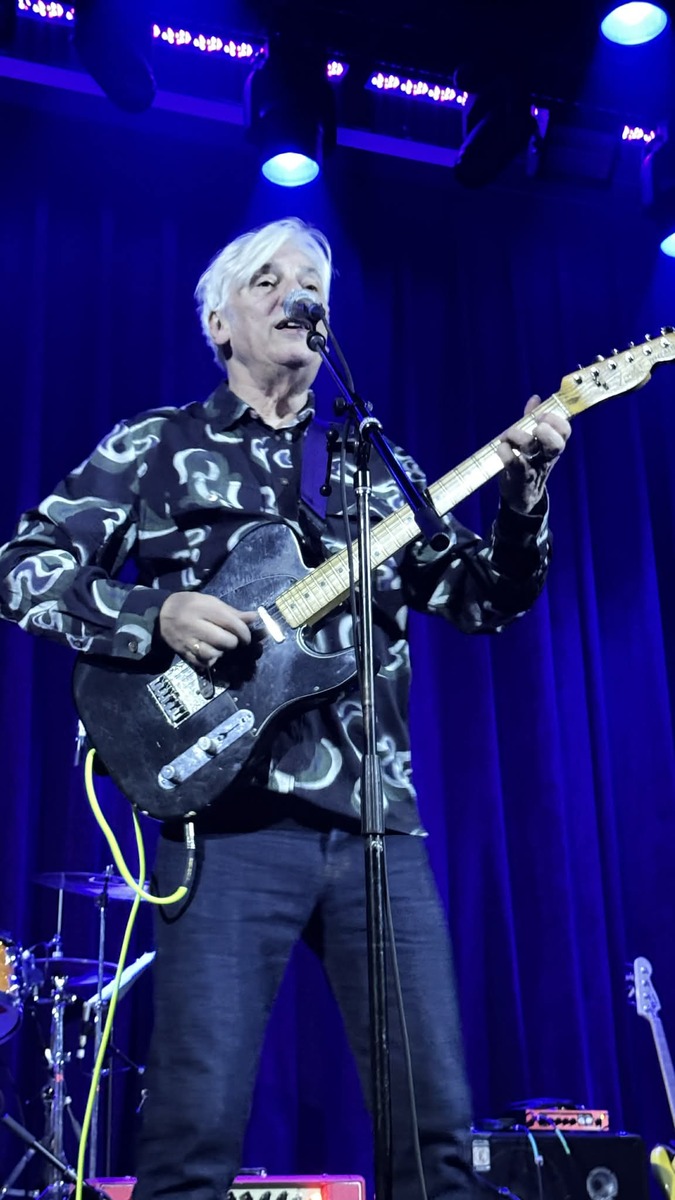
From there, the band moved fluidly through a career-spanning set. Songs like “Kingdom of Love,” “Oceanside,” and “Balloon Man” carried a bright urgency. Elsewhere, darker material such as “Madonna of the Wasps” and “The Shuffle Man” leaned into tension and release. Hitchcock’s guitar work was sharp and expressive, moving easily between shimmer and bite.
The band handled newer material and older staples with equal confidence. “I Wanna Destroy You” and “Airscape” landed with force, while moments like “Driving Aloud (Radio Storm)” and “Insanely Jealous” emphasized melody over volume. Throughout, Hitchcock remained engaged and playful, guiding the set without over-explaining.
Community On Stage and Off
The communal spirit of the night became more explicit as the set progressed. Kurt Bloch joined Hitchcock and the band toward the end of the main set, adding muscle and momentum to several songs. His presence underscored the evening’s collaborative nature rather than shifting the focus.
Emma Swift also returned to the stage, contributing vocals that blended seamlessly into the band’s sound. These moments felt less like guest appearances and more like extensions of the shared space.
The encore leaned into homage. Covers of “Soul Love,” “See Emily Play,” and “Dear Prudence” acknowledged Hitchcock’s long-standing dialogue with the past without tipping into reverence. Then, for the final song, everything narrowed.
One Voice in the Crowd
“A Day in the Life” closed the night, performed solo on acoustic guitar. Hitchcock stepped into the middle of the audience, dissolving the boundary between stage and floor. As the chorus arrived, the room joined him. Voices rose together, imperfect yet committed.
It was a simple gesture yet powerful. In that moment, escape gave way to connection. The song ended not with spectacle but with shared breath. For a few minutes, at least, the world outside the Neptune felt quieter.
And that was enough.
Robyn Hitchcock Brings Surreal Refuge to Seattle, WA
On February 6, a packed crowd filled the Neptune in Seattle to see Robyn Hitchcock do what he has always done best: turn anxiety into color and confusion into song. The room felt comfortably adult. Many in attendance seemed to be people for whom the 1980s and 1990s were not distant history but formative terrain. That context mattered. In a moment defined by political noise and cultural exhaustion, Hitchcock’s surrealist pop offered something closer to refuge than nostalgia.
His songs have always bent reality rather than confronting it head-on. That instinct felt newly purposeful here. As the band eased into dream logic and psychedelic shimmer, the night became a brief exit ramp from the present. The audience did not seem interested in escape as a form of denial. Instead, they welcomed it as a form of recalibration.
A Long Career, Still Moving Forward
Hitchcock’s career spans decades, from his early work with the Soft Boys to an expansive solo catalog that has never settled into stasis. His songwriting has always favored strangeness over certainty. Even so, his music remains deeply melodic and emotionally legible.
This show marked his first live appearance with a new supporting band. That sense of beginning again was palpable. Rather than sounding tentative, the group played with alertness and ease. The band’s presence gave Hitchcock’s songs a renewed physicality without sanding down their odd edges.
Electric, Alive, and Fully Present
The set opened with “I Often Dream of Trains,” dedicated to a Seattle friend who had recently passed away. The gesture was understated yet set the emotional tone for the night. Memory, loss, and affection hovered beneath the surface without ever overwhelming it.
From there, the band moved fluidly through a career-spanning set. Songs like “Kingdom of Love,” “Oceanside,” and “Balloon Man” carried a bright urgency. Elsewhere, darker material such as “Madonna of the Wasps” and “The Shuffle Man” leaned into tension and release. Hitchcock’s guitar work was sharp and expressive, moving easily between shimmer and bite.
The band handled newer material and older staples with equal confidence. “I Wanna Destroy You” and “Airscape” landed with force, while moments like “Driving Aloud (Radio Storm)” and “Insanely Jealous” emphasized melody over volume. Throughout, Hitchcock remained engaged and playful, guiding the set without over-explaining.
Community On Stage and Off
The communal spirit of the night became more explicit as the set progressed. Kurt Bloch joined Hitchcock and the band toward the end of the main set, adding muscle and momentum to several songs. His presence underscored the evening’s collaborative nature rather than shifting the focus.
Emma Swift also returned to the stage, contributing vocals that blended seamlessly into the band’s sound. These moments felt less like guest appearances and more like extensions of the shared space.
The encore leaned into homage. Covers of “Soul Love,” “See Emily Play,” and “Dear Prudence” acknowledged Hitchcock’s long-standing dialogue with the past without tipping into reverence. Then, for the final song, everything narrowed.
One Voice in the Crowd
“A Day in the Life” closed the night, performed solo on acoustic guitar. Hitchcock stepped into the middle of the audience, dissolving the boundary between stage and floor. As the chorus arrived, the room joined him. Voices rose together, imperfect yet committed.
It was a simple gesture yet powerful. In that moment, escape gave way to connection. The song ended not with spectacle but with shared breath. For a few minutes, at least, the world outside the Neptune felt quieter.
And that was enough.